Threshold
0.30
Worst case
1.3xbleeding
Accrues
0.004/sbelow MAP 55
Clears
0.01/s2.5x faster
Fix perfusion and it clears itself. It also blunts pressor support by up to 45 percent, so correcting it does more than another dose will.
How blood loss changes preload, stroke volume, oxygen delivery and compensation. Use the trends alongside bleeding control, pulse, blood pressure and mental status.
These conventional classes describe the proportion of circulating volume lost. The amounts below use the mod’s 6 L reference. Classes organize assessment; they do not trigger a fixed heart rate, blood pressure, SpO₂ or DO₂ value.
| Class | Blood loss | At a 6 L baseline | Circulatory response and oxygen delivery |
|---|---|---|---|
I | Less than 15% | Less than 0.9 L | Venous return begins to fall. Compensatory vascular tone and rate can preserve the pressure reading. Delivery can decline before obvious hypotension. |
II | 15% to 30% | 0.9 to 1.8 L | Less ventricular filling reduces stroke volume. Tachycardia partly supports output; vasoconstriction supports pressure. SpO₂ can remain normal because the remaining hemoglobin is still well saturated. |
III | More than 30% to 40% | More than 1.8 to 2.4 L | Reduced filling overwhelms compensation. Low output and reduced tissue perfusion become more prominent. Positive pressure ventilation imposes an additional filling penalty. |
IV | More than 40% | More than 2.4 L | Severe filling deficit threatens perfusion. Acidosis, poor myocardial oxygen supply and loss of effective rate can compound deterioration. A falling rate with worsening perfusion is concerning. |
At the instant of proportional whole blood loss, red cells and plasma leave together, so hemoglobin concentration need not fall immediately. Total circulating red cell mass and cardiac filling still fall. Subsequent fluid shifts and non-red-cell replacement can dilute the remaining cells.
Class definitions: Hemorrhagic Shock, NCBI Bookshelf. The 6 L amounts and graph calculations use the game baseline.
| Term | Meaning | Implementation in ACM Extended |
|---|---|---|
Preload and venous return | Blood returning to the heart supplies its filling before a beat. | Approximated from circulating volume. The DO₂ calculation uses blood + saline + plasma, divides by the 6 L baseline and raises the ratio to 1.6 to estimate stroke volume. It does not calculate venous pressure or a separate venous reservoir. |
Stroke volume (SV) | Blood ejected by a ventricle per effective beat. | The DO₂ estimate falls as volume falls and adds a filling penalty during active positive pressure ventilation. The native pressure pathway uses a separate volume based estimate with a 95 mL reference stroke volume. The two estimates are not interchangeable. |
Cardiac output (CO) | Blood flow generated over time by heart rate and stroke volume. | Both reviewed pathways combine filling and rate. DO₂ uses a damped rate multiplier, capped at 1.35, with an extra low volume filling penalty above 150 BPM. The native pressure pathway uses its own rate and volume calculation. |
Vasoconstriction | Narrowing of vessels that increases resistance to flow. | Blood loss drives a compensatory resistance adjustment in the native vital sign update. Medication and circulation systems add their effects to the same resistance calculation. Vessel diameter is not individually simulated. |
Systemic vascular resistance (SVR) | Resistance across the body's circulation. | A combined peripheral resistance value contributes to blood pressure. Pressors, sedation, shock, calcium deficit, brain injury and other active systems can modify it. This is a game scale, not a clinical SVR value in measured units. |
Afterload | The load the ventricle must overcome to eject blood. | Represented indirectly by pressure and vascular resistance. There is no separate afterload input that reduces stroke volume in either reviewed flow calculation. Increased resistance can raise the cuff reading without improving the DO₂ estimate. |
Contractility | Contraction strength at a given filling state. | Relevant effects are approximated through other systems. Calcium deficit reduces vascular tone and pressor response; acidosis blunts pressure support. Neither reviewed flow calculation contains an independent contraction strength variable or a ventricular pressure volume simulation. |
Atrial kick and coronary perfusion | Upper chamber contraction assists filling; coronary vessels supply the heart muscle. | The reviewed DO₂ and native output calculations do not include separate atrial contraction or coronary flow inputs. Use the actual rhythm, pressure, pulse and treatment rules in the rhythm reference. |
Implementation checked on 13 September 2026: DO₂ and preload, native output, resistance composition, blood pressure, and circulation and calcium effects.
Pressure example: ignoring right atrial pressure, 5 L/min at a resistance of 16 mmHg·min/L gives MAP 80 mmHg. Output falling to 2.5 L/min with resistance rising to 32 gives the same MAP. The example illustrates why the cuff must be interpreted with perfusion findings.
In gamePressure and delivery are separate calculations
The game uses separate calculations for blood pressure and normalized oxygen delivery. Its peripheral resistance value is not a clinical SVR measurement. The DO₂ calculation does not infer flow from MAP, so raising pressure with a pressor does not automatically restore the delivery estimate. See cardiology and delivery and Poiseuille’s law.
Physiology: Cardiac physiology and blood flow and resistance, OpenStax.
In gamePressure effect on active bleeding
The default pressure factor is MAP ÷ 70, limited to 0.55× through 2×. It modifies bleeding that is still occurring in the wound pathway that uses pressure. Lower pressure reduces that component of blood loss but also risks inadequate perfusion. The custom junctional channel separately reads systemic resistance and compensation; this graph does not predict its total rate.
| MAP (mmHg) | Bleeding factor |
|---|---|
35 | 0.55× |
50 | 0.71× |
70 | 1.00× |
90 | 1.29× |
110 | 1.57× |
140 or higher | 2.00× |
Control bleeding and protect perfusion
Control the source and replace lost volume as indicated by the casualty’s condition. A pressure associated slowing of an uncontrolled bleed does not mean the wound is treated. TBI perfusion requirements now depend on injury severity. Stable mild and moderate injuries can recover in their normal recovery band; severe and critical structural injury retain reduced reserve and additional CPP requirements. See Traumatic Brain Injury.
High pressure can also increase the chance that a vulnerable clot reopens. That is a separate process from the ongoing bleeding multiplier shown above.
Hemorrhage reduces the flow component of oxygen delivery. Non-red-cell fluid may improve filling while diluting oxygen carrying content; blood restores both. Lung injury or altitude can also reduce saturation, multiplying the remaining deficit.
The oxygen delivery guide includes numerical examples, a calculator for the current game model, the effect of PEEP, and the links to dysrhythmias, coronary perfusion and myocardial function.
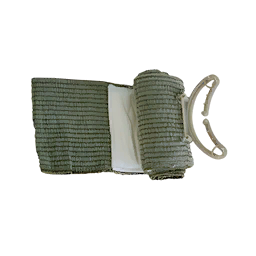
Five states, each a distinct step: open, packed, wrapped, and XStat. Bleeding falls as you progress. The AAJT-S applies with a pause, and Combat Gauze is tracked separately.
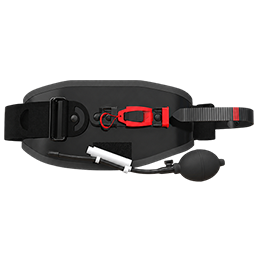
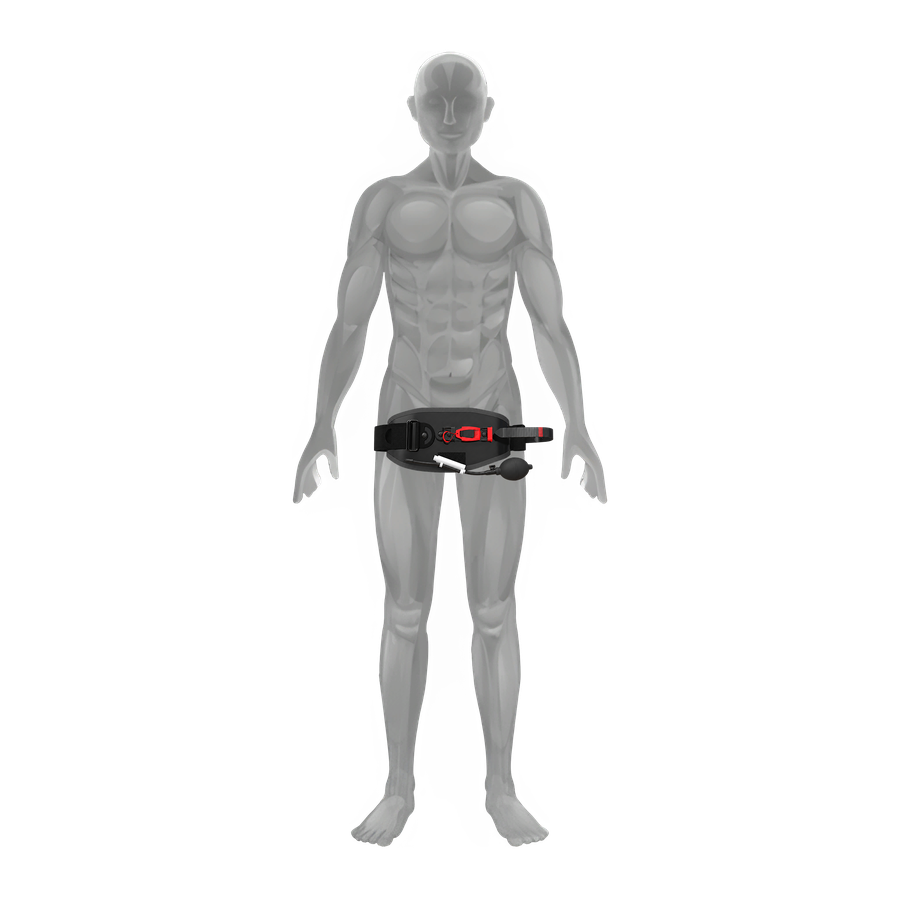
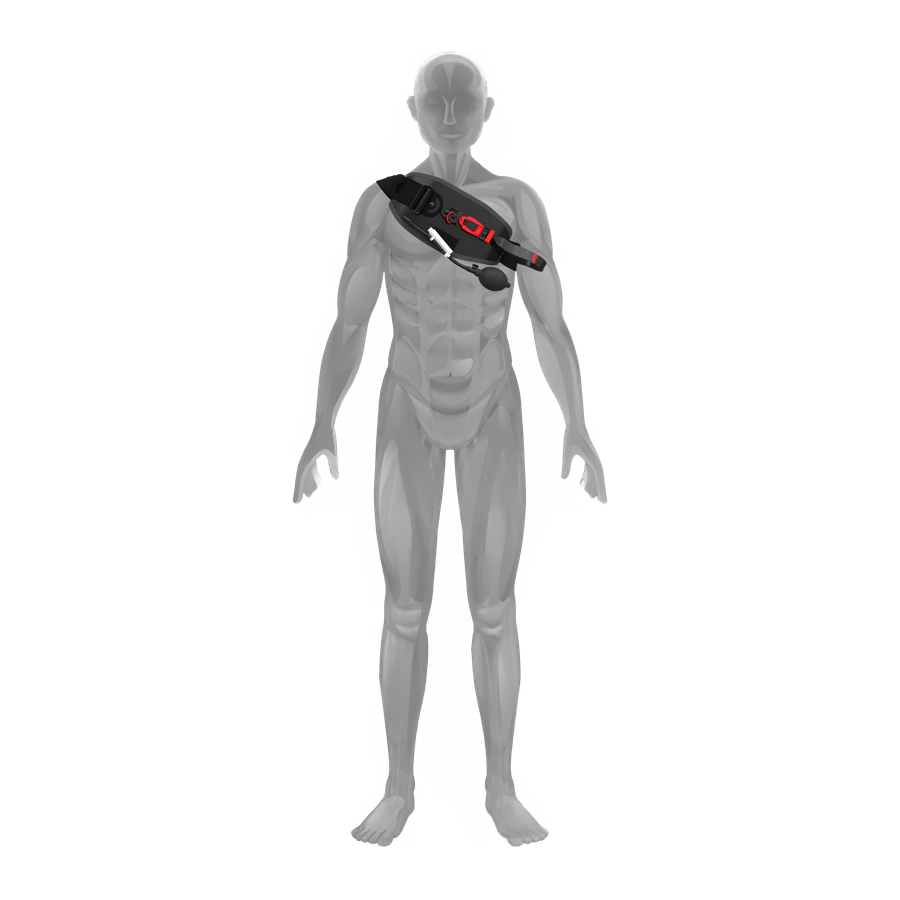
Two application sites, and the one you need depends on where the bleed is. Inguinal for groin and proximal thigh, axillary for a shoulder or high arm wound that a limb tourniquet cannot reach.
The brain’s autonomic response now changes the resistance used by the custom junctional flow calculation. The direction below holds other wound, volume and treatment factors constant.
| TBI state | Vascular response | Effect on an uncontrolled junctional bleed |
|---|---|---|
Stable injury | TBI tone stays near neutral | Existing wound, blood volume, resistance and treatment factors determine flow. |
Compensated rising ICP | Positive sympathetic tone increases peripheral resistance | Higher resistance reduces the custom flow contribution. A slower bleed does not mean the wound is controlled. |
Exhausted autonomic reserve | Tone becomes labile and can turn negative, lowering resistance | Flow can increase as vascular support fails. Reassess bleeding and perfusion even if the full Cushing pattern never appeared. |
In gameAvailable junctional compensation
Autonomic integrity also scales the wound’s temporary spasm and plug response. Full integrity preserves 100% of its ordinary compensatory ability. The configured zero-integrity floor is 25%; the current controller stops at 0.05 integrity, which leaves 28.75%. These are percentages of compensation available, not percentages of blood lost or a fixed multiplier applied to every TBI wound.
Signed tone reaches the junctional equation through systemic resistance only once. The integrity adjustment changes the separate temporary response. The custom loss is then included in the normal circulation update, so it does not create a second blood volume debit.
Control the wound while restoring volume and oxygen delivery. Follow acute injury, CPP and autonomic trends; pressure support alone does not restore missing red cells or stop bleeding.
TBI update checked at ACM Extended dev revision 98d18bb: junctional flow and compensation · systemic resistance and vascular failure · autonomic integrity and tone.
Game behavior checked against ACM Extended on 13 September 2026. Physiological explanations and illustrative examples are labeled separately from game calculations.
In gameFracture pressure and awakening
Pressure over a fractured limb adds severe pain and can immediately wake an eligible lightly unconscious or obtunded patient. The wake-up check requires stable vital signs and no forced unconsciousness condition. It does not add artificial wounds or fracture damage. The patient remains lying after waking. See the stimulus and recovery conditions.
Hypothermia is the leg of the triad you can act on directly in the field, and the HPMK is the tool for it.
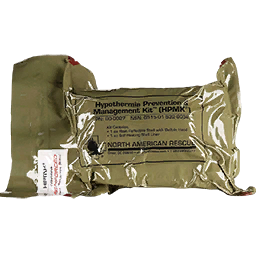
It is passive rewarming. The kit retains the casualty's own body heat and lets them drift their core temperature back up. That means it only works while they are still generating heat. An unstable or non-perfusing casualty is not producing enough to retain, so the HPMK does close to nothing for them, which is clinically correct: that patient needs active rewarming, and warmed fluid is the lever you have.
The kit is never consumed. It leaves your hands while deployed and is handed back when it comes off.
How far the kit is closed decides what you can still reach on the casualty, which is the whole trade-off: heat retention against access.
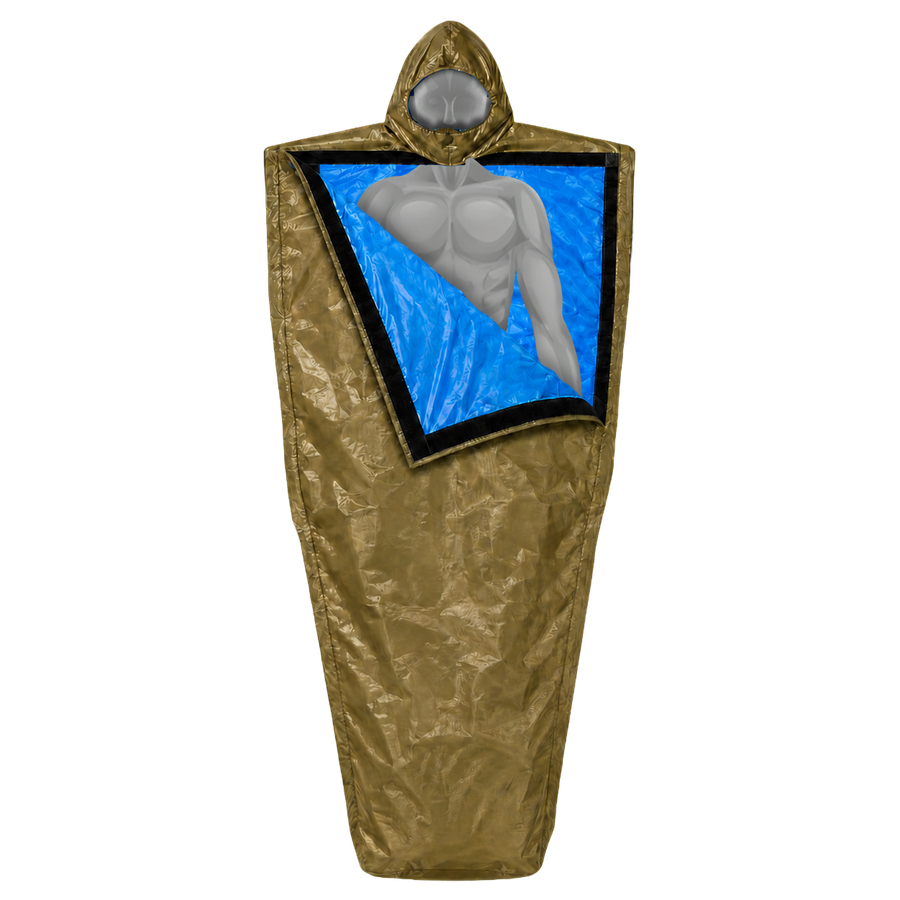
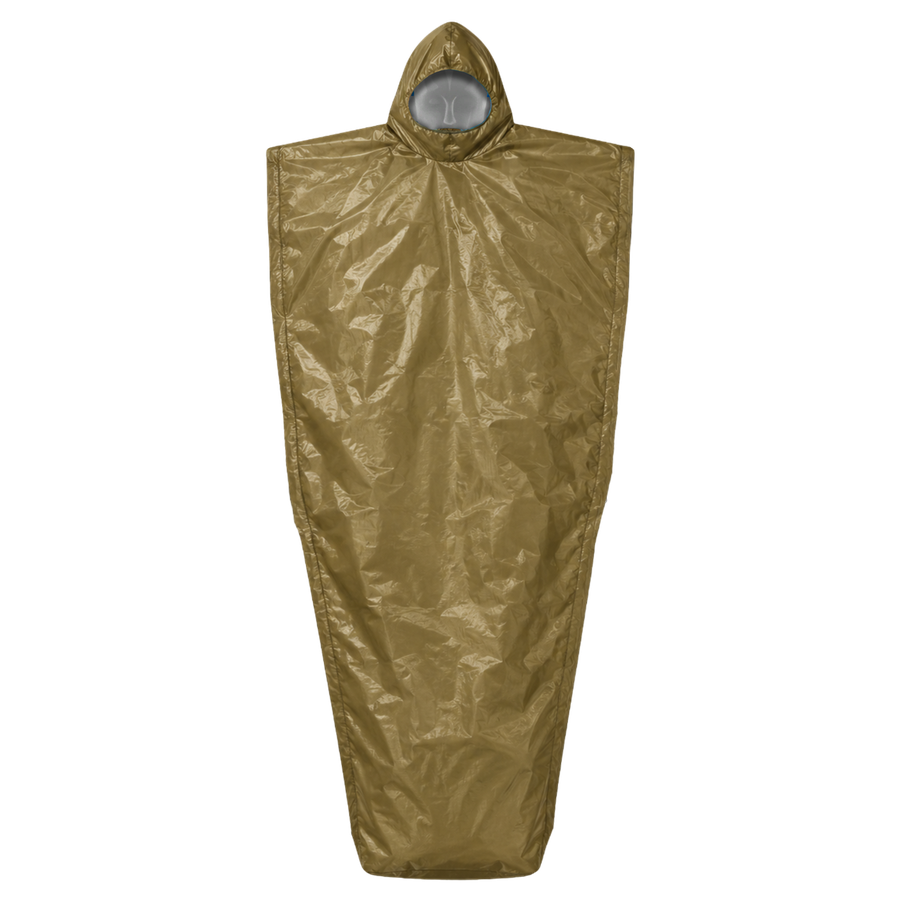
| State | Available | Gated off |
|---|---|---|
Unfolded | Chest and left arm | Everything else on the body |
Fully wrapped | Head selection only: pupils, responsiveness, airway adjuncts, BVM, BVM with oxygen, non-rebreather, head injury management. Plus Unwrap HPMK. | All body and limb treatments |
Wrapping requires the casualty prone, supine or unconscious. You cannot wrap someone standing up.
In gameWhen the blanket is shed
A wrapped casualty who gets up under their own power sheds the blanket where they stand, and it is left on the ground as a pickable kit. Being dragged or carried does not shed it. That is worth knowing before you wrap someone who might wake up and walk.
Fix perfusion and it clears itself. It also blunts pressor support by up to 45 percent, so correcting it does more than another dose will.
Nothing alarms for it and the consequence appears an hour later as bleeding you cannot stop. This is the leg most often lost to task saturation.
The additional calcium deficit starts above 1 L of uncleared transfusion burden. Its default normalized floor of 0.55 produces a maximum 18 mmHg pressure-suppression target through the circulation model, plus up to 1.4× bleeding. The separate native HR-target penalty starts above 50 mL. See first/fourth-unit calcium timing, controlled delivery and recovery.